

Melanoma Diagnosis and Treatment in Israel
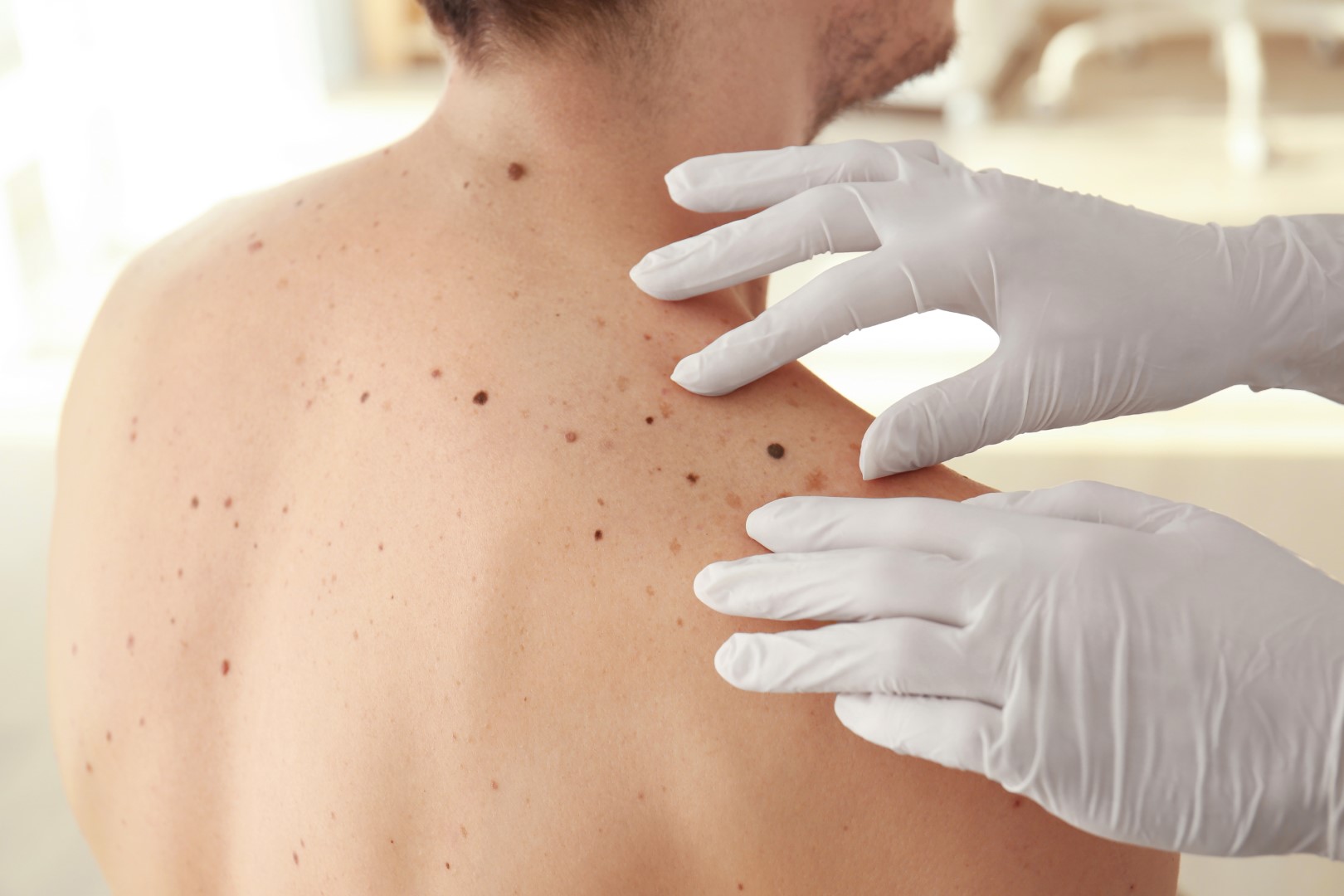
Melanoma treatment in Israel: modern methods and cost
Israel is deservedly among the world leaders in the diagnosis and treatment of melanoma. Dermatological oncology is actively developing in the country, and leading clinics use advanced medical technologies that allow them to achieve high treatment results, especially when the disease is detected in its early stages.
The high effectiveness of treatment is due to the introduction of innovative protocols and a personalized approach to each patient. Israeli specialists widely use modern immunotherapy and cellular techniques, including TIL therapy, which is being developed in the country's largest medical centers. These approaches have become the basis for international standards for the treatment of melanoma.
Medical Expert provides comprehensive organization of melanoma treatment in Israel - from rapid and accurate diagnosis to coordination of the treatment process and follow-up care. Our patients have access to treatment from leading Israeli oncologists and dermatological oncologists who are involved in the development of international clinical protocols and modern drugs approved by leading global regulatory authorities.
Melanoma: aggressive skin cancer requiring immediate treatment
Melanoma is a malignant tumor of melanocytes (pigment cells of the skin) characterized by a high tendency to metastasize. The incidence doubles every 10 years, making early diagnosis critically important: detection at an early stage ensures a nearly 100% cure with simple surgical removal.
The Israeli healthcare system has implemented a national screening program using dermatoscopy and Fotofinder digital mole mapping. This allows for the detection of 91% of melanoma cases at stages 0-I, when the prognosis is most favorable.
Precision diagnosis of melanoma: Israeli clinic protocol
Pathomorphological verification
The initial diagnosis begins with a biopsy of the suspicious growth. The material is examined by a specialized dermatological pathologist, who determines:
- Histological confirmation of melanoma (differentiation from benign nevi)
- Clark's level of invasion (penetration into the layers of the skin)
- Breslow's tumor thickness (prognostic factor)
- Presence of ulceration and mitotic index
Molecular genetic profiling
After confirmation of the diagnosis, tumor mutation analysis is performed—a mandatory test for selecting the optimal therapy:
- BRAF V600—found in 50% of patients, determines the possibility of targeted therapy
- NRAS, KIT, GNAQ/GNA11 - for rare forms of melanoma
- PD-L1 expression - predicts response to immunotherapy
- HLA-A status - necessary for specific biological drugs (uveal melanoma)
Visualization of metastases
Whole-body PET-CT is performed to assess the extent of the disease - the method detects lesions as small as 3-4 mm. If melanoma is located on the face, eyelid, or mucous membranes, contrast-enhanced MRI is additionally prescribed for detailed visualization of anatomical structures.
The full diagnostic cycle takes 4-6 business days, with the results of pathomorphology and genetic profiling available in 72-96 hours.
FIND OUT THE COST OF TREATMENT!
Modern methods of melanoma treatment in Israel
Surgical treatment of localized melanoma
Wide excision of the primary tumor remains the gold standard for stages 0-II. A distinctive feature of the Israeli technique is preoperative isotope lymphoscintigraphy for mapping lymphatic drainage pathways. This allows the identification of sentinel lymph nodes - the first nodes to which cancer cells potentially migrate.
A sentinel lymph node biopsy is performed with intraoperative express histology (frozen section) - if metastases are detected, the surgeon immediately proceeds to lymph node dissection. This method significantly reduces the risk of recurrence compared to the classic approach.
Immunotherapy: a revolution in oncology dermatology
Checkpoint inhibitors have become the standard first-line treatment for metastatic melanoma and high-risk localized forms (adjuvant therapy):
PD-1 blocker monotherapy:
- Pembrolizumab (Keytruda) - response rate 40-45%, median overall survival 24+ months
- Nivolumab (Opdivo) - similar efficacy with a lower incidence of autoimmune reactions
Combination immunotherapy:
- Nivolumab + Relatlima (Opdualag) - new standard for 2024-2025, blocks PD-1 and LAG-3 pathways. Objective response rate up to 55%, better tolerability compared to older regimens
- Nivolumab + Ipilimumab - aggressive regimen for rapidly progressing cases, response rate up to 60%, but high toxicity
Targeted therapy for BRAF mutations
Combinations of BRAF/MEK inhibitors have a rapid effect, with tumor reduction observed within 2-4 weeks:
- Dabrafenib + Trametinib
- Encorafenib + Binimetinib (longest duration of response)
- Vemurafenib + Cobimetinib
Used as first-line treatment for BRAF+ metastatic melanoma or as a “bridge” before immunotherapy in aggressive cases. The development of resistance is a limitation of this method, so it is often combined with immunotherapy drugs.
TIL therapy: the cell technology of the future
Tumor-Infiltrating Lymphocytes therapy is a breakthrough developed in 2024 at the Ella Institute under the leadership of Professor Yakov Shekht. The FDA-approved drug lifileucel (Amtagvi) is indicated for patients with progression after immunotherapy.
How it works: The patient's own T lymphocytes, already “trained” to recognize cancer cells, are isolated from a tumor biopsy. In the laboratory, they are expanded to billions, after which they are reinfused into the patient after lymphodepleting chemotherapy. The response rate reaches 30-35% in patients resistant to all standard lines of treatment - an unprecedented result for this group.
Treatment of uveal melanoma
Melanoma of the eye requires a specialized approach:
- Tebentafusp (Kimmtrak) is a bispecific T-cell engager, the first drug for HLA-A*02:01-positive patients with metastatic uveal melanoma. It improves overall survival by 40%.
- Intra-arterial chemoimmunotherapy - angiographic delivery of drugs directly to the liver (a common site of metastasis)
Prices for melanoma diagnosis and treatment in Israel
The cost varies depending on the stage and the chosen protocol:
Diagnosis:
- Dermatologist consultation + dermatoscopy: $450-$650
- Biopsy with pathomorphology and staging: $1,200-$1,800
- Molecular genetic profiling (mutation panel): $2,500-$3,500
- Whole-body PET-CT: $1,800-$2,400
- Complete diagnostic package: $5,500-$8,000
Treatment:
- Surgical excision + sentinel node biopsy: $8,000-$12,000
- Pembrolizumab/Nivolumab immunotherapy (1 course): $8,500-$11,000
- Nivolumab + Relatlima combination (1 course): $13,000-$16,000
- BRAF/MEK targeted therapy (monthly course): $7,000-$9,500
- TIL therapy (full cycle with cell preparation): $120,000-$150,000
- Tebentafusp for uveal melanoma (1 course): $15,000-$18,000
Costs may vary depending on the clinic and clinical situation.
Prices include medications, consumables, and monitoring. Medical Expert provides a detailed calculation after analyzing medical documentation.
Questions and answers about melanoma treatment in Israel
How long does it take to get tested for melanoma? A full diagnosis with biopsy, genetic profiling, and PET-CT takes 4-6 business days. Express pathology results are available in 48-72 hours.
Is it possible to have a telemedicine consultation with a dermatologist? Yes, Medical Expert organizes online consultations with Israeli specialists based on your medical records. However, an in-person examination and local diagnosis are necessary to determine the final treatment plan.
What are the side effects of immunotherapy? Autoimmune reactions of varying degrees (colitis, dermatitis, hepatitis, thyroiditis) occur in 30-60% of patients. Most are manageable with corticosteroids. Israeli protocols include preventive monitoring and early intervention.
How long do people live with metastatic melanoma? With modern protocols, the 5-year survival rate for stage IV is 25-35% in Israel (compared to <10% ten years ago). The median overall survival with combination therapy reaches 50-60 months.
Can melanoma be cured without surgery? In stages 0-II, surgery is mandatory - it is the only radical method. In the metastatic form, systemic therapy is used, sometimes with palliative resection of large foci.
Israel's leading specialists in melanoma treatment
When melanoma is suspected or detected, Medical Expert brings in Israel's best specialists - the authors and developers of innovative technologies and treatment protocols recognized by the global medical community.
- Professor Yakov Shechter - Dermatologist-oncologist. Director of the Melanoma Institute, one of the creators of the revolutionary TIL therapy. He led clinical trials of the immunotherapy drugs Keytruda and Opdivo in Israel and participated in the development of Linfelucel, the first FDA-approved cell therapy for melanoma. Author of over 200 scientific publications, consultant to the European Society for Medical Oncology (ESMO).
- Professor Maora Feinmesser - Dermatopathologist. A leading expert in the pathomorphological diagnosis of melanoma in Israel. She has developed unique criteria for differentiating melanoma from atypical nevi, which are used in international practice. She performs more than 3,000 histological studies of skin biopsies annually and consults on complex cases for pathologists from around the world.
- Dr. Nati Asher - Dermatologist-oncologist. Specialist in targeted and immunotherapy for metastatic melanoma. Trained at Memorial Sloan Kettering Cancer Center and MD Anderson Cancer Center (USA). Leads a program of individualized treatment selection based on molecular-genetic profiling.
- Professor Moti Gutman - Surgical Oncologist. Head of the Department of Surgical Oncology at Sheba Medical Center. He has performed more than 5,000 surgeries for melanoma and soft tissue tumors. Pioneer of isotope lymphoscintigraphy and sentinel lymph node biopsy techniques in Israel. Former president of the Israeli Society of Surgical Oncology, member of the board of the International Society of Surgical Oncology.
