

IVF in Israel
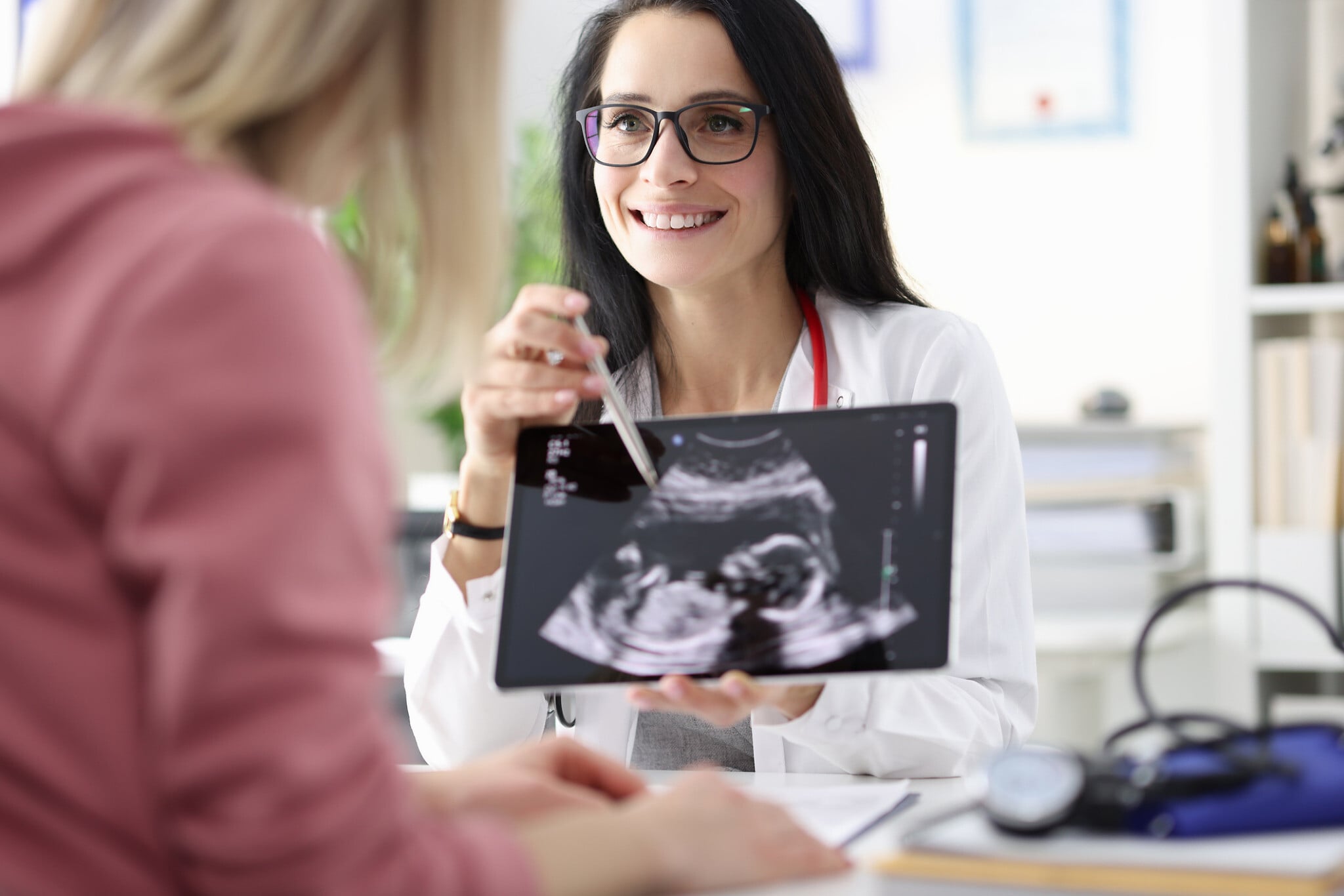
World-class reproductive technologies
When the dream of having a child requires professional help
Infertility affects one in six couples worldwide. Years of unsuccessful attempts, failed stimulation protocols, miscarriages - each story is unique and painful. It is especially difficult when other factors are added to fertility problems: age over 40, a history of cancer, systemic diseases, genetic risks. In such cases, standard IVF protocols may be ineffective or even dangerous.
Israeli reproductive medicine specialises in complex cases. Medical Expert organises IVF programmes at Israel's leading reproductive centres - Assuta (Tel Aviv) and Sheba (Tel HaShomer), where reproductive specialists with unique experience in treating high-risk patients work.
Why Israel is a world leader in reproductive technology
Unique practical base
Israel ranks first in the world in terms of the number of IVF procedures per capita. The state actively funds assisted reproductive technology programmes for its citizens until they have two children. This creates a huge flow of patients — Israeli reproductive specialists perform several times more IVF cycles annually than their colleagues in other countries.
Practical experience is especially important in reproductive medicine: the success of a protocol depends on hundreds of nuances — the choice of drug dosages, the timing of ovulation triggers, and the assessment of oocyte and embryo quality. Doctors who see dozens of cases a week recognise subtle signs that are invisible to less experienced specialists.
Liberal legislation
Israeli law permits IVF:
- For women up to 45 years of age with their own eggs
- For women up to 54 years of age with donor eggs
- For single women
- For LGBT couples (using donor material)
Surrogacy, egg and sperm donation, and pre-implantation genetic testing for medical reasons are permitted. This freedom allows each family to choose the best solution for them without legal restrictions.
Technological excellence
Israeli clinics invest heavily in equipment and innovation:
- ISO Class 5 embryology laboratories (maximum air purity)
- EmbryoScope incubators with time-lapse monitoring and artificial intelligence
- Modern vitrification (ultra-fast freezing) systems
- Laser hatching devices (embryo shell scoring)
- Next-generation genetic sequencing (NGS)
IVF for high-risk patients: when standard protocols do not work
Oncofertility: preserving motherhood after cancer
A diagnosis of cancer in a young woman does not mean giving up on motherhood. Israeli reproductive specialists work closely with oncologists to develop individualised fertility preservation strategies.
Methods:
- Egg cryopreservation - stimulation and retrieval of oocytes before the start of chemotherapy. For hormone-dependent tumours (breast cancer), protocols with minimal hormonal load and the addition of anti-oestrogens (letrozole) are used.
- Embryo cryopreservation - if the patient has a partner, fertilised embryos are frozen.
- Ovarian tissue cryopreservation - an innovative method for cases where there is no time for stimulation. A piece of ovarian tissue is removed laparoscopically, frozen, and after recovery, reimplanted or used for in vitro egg maturation.
These procedures are performed within a short time frame (often 2-3 weeks before the start of chemotherapy), which requires the coordinated work of a multidisciplinary team.
Age 40+: maximising chances with low ovarian reserve
After the age of 40, egg quality declines and the risk of chromosomal abnormalities in embryos (aneuploidy) increases. Standard protocols often result in few poor-quality oocytes.
The Israeli approach:
- Preimplantation genetic testing (PGT-A) - analysis of all embryo chromosomes before transfer. This allows eukaryotic embryos to be selected, which significantly increases the implantation rate and reduces the risk of miscarriage.
- Specialised culture media - additives that improve the metabolism of oocytes and embryos.
- Accumulative cycles - several stimulations with freezing of all embryos obtained, followed by genetic testing and transfer of the best ones in a single cycle.
- Programmes with donor eggs - when the patient's own reserve is exhausted. Israel has a developed donor base with detailed phenotypic and genetic screening of donors.
Systemic diseases: safe IVF for diabetes, heart disease, kidney disease
Patients with severe somatic diseases are often denied IVF in other countries due to the risks involved. Israeli clinics accept such cases, providing care by a multidisciplinary team: a reproductive specialist, endocrinologist, cardiologist, and nephrologist work together.
Features:
- Selection of stimulation drugs that minimise the load on vulnerable organs
- Careful monitoring of indicators (blood sugar, blood pressure, coagulation)
- Correction of basic therapy for the underlying disease
- Readiness for emergency delivery in case of pregnancy complications
Ovarian hyperstimulation syndrome (OHSS): minimal risk protocols
OHSS is a dangerous complication of stimulation that can be life-threatening. Patients with polycystic ovary syndrome and young women with high ovarian reserve are at risk.
Prevention:
- Mild stimulation protocols - low doses of gonadotropins
- Natural Cycle IVF - no stimulation or minimal support
- Replacement of ovulation trigger - GnRH agonist is used instead of hCG
- Freeze-all tactic - all embryos are frozen, transfer is postponed until the next cycle when the ovaries have recovered
Virus carriage: IVF with HIV, hepatitis B and C
Couples where one or both partners are infected can have healthy children without the risk of transmitting the virus. Israeli clinics have specialised laboratories with multi-stage purification of biomaterial.
Technologies:
- Sperm washing with removal of viral particles (for HIV-positive men)
- Treatment of eggs with special solutions
- Intracytoplasmic sperm injection (ICSI) to minimise contact
- PCR testing to ensure the absence of the virus in the treated material
Male factor: from azoospermia to genetic abnormalities
Severe male infertility is often the cause of IVF failure. Israeli andrologists and embryologists have developed methods for obtaining sperm even in hopeless cases.
Methods:
- TESA/TESE - aspiration or extraction of sperm from the testicle in cases of obstructive azoospermia
- Micro-TESE - microsurgical extraction of sperm in cases of non-obstructive azoospermia (search for single foci of spermatogenesis)
- ICSI/IMSI - injection of selected sperm into the egg in cases of critically low sperm parameters
- PGT-SR - genetic testing of embryos for structural chromosomal rearrangements if the father has translocations
Innovative technologies in Israeli reproductive medicine
EmbryoScope with artificial intelligence
Traditional embryo assessment involves removing them from the incubator several times a day, which disrupts the stability of the environment. EmbryoScope is an incubator with built-in microscopy that photographs each embryo every 10-15 minutes without removal.
Artificial intelligence algorithms analyse thousands of embryo development parameters (division time, morphology at each stage, fragmentation) and predict implantation potential. For patients with a small number of embryos, this is critical — choosing the right embryo for transfer can be decisive.
IVM - in vitro maturation of eggs
IVM (In Vitro Maturation) is a technology for obtaining immature eggs with no or minimal stimulation, which then mature in laboratory conditions.
Indications:
- Contraindications to hormonal stimulation (high risk of thrombosis, hormone-dependent tumours)
- High risk of OHSS
- Religious or ethical objections to stimulation
IVM allows pregnancy to be achieved with virtually no use of hormones, making the procedure safer for certain categories of patients.
Genetic screening: PGT-M and PGT-SR
In addition to standard PGT-A (aneuploidy screening), Israeli laboratories perform:
- PGT-M (monogenic testing) - exclusion of the transmission of hereditary diseases: cystic fibrosis, haemophilia, Duchenne muscular dystrophy, spinal muscular atrophy and hundreds of others. This is relevant if there are genetic pathologies in the family.
- PGT-SR (structural rearrangements) - for carriers of balanced translocations and chromosome inversions. Such couples often face habitual miscarriage - testing allows the selection of embryos with a normal chromosome set.
Leading specialists and clinics
Medical Expert collaborates with leading Israeli reproductive specialists who regularly upgrade their qualifications in the US and Europe, engage in scientific research, and teach at universities.
Professor Dror Meirov is a specialist in the management of high-risk patients: cancer fertility, systemic diseases, and older patients. He has over 25 years of experience in reproductive medicine and is the author of protocols for hormone-dependent tumours.
Clinics:
- Assuta Medical Centre (Tel Aviv) – IVF department with its own embryology laboratory, modern incubators, and genetic laboratory on site.
- Shiba Medical Centre (Tel HaShomer) - university centre, participates in international research, specialises in complex cases with concomitant diseases.
How the IVF programme works through Medical Expert
Stage 1: Remote consultation
Send your test results: hormone profile (AMH, FSH, estradiol), pelvic ultrasound, partner's semen analysis.
An Israeli reproductive specialist will review the documents and provide recommendations:
- Which protocol is optimal
- Whether additional tests are needed
- The predicted effectiveness
- The preliminary cost of the programme
Stage 2: Preparation and arrival
After agreeing on the protocol and dates:
- Start taking medication at home (if preliminary preparation is required)
- Arrive in Israel on the appointed day of the cycle
- Accommodation in apartments/hotels near the clinic
Stage 3: Stimulation and puncture
- Monitoring of follicle growth (ultrasound every 2-3 days)
- Adjustment of medication doses
- Administration of ovulation trigger
- Transvaginal follicle puncture under sedation
- ICSI or standard fertilisation
Length of stay in the country: 10-14 days.
Stage 4: Embryo culture
Embryos are cultured for 5-6 days until the blastocyst stage. Daily reports from the embryologist on development. Biopsy for genetic testing is possible.
Stage 5: Transfer or cryopreservation
Fresh transfer - if the endometrium is ready and there is no risk of OHSS. Transfer of 1-2 embryos. Departure in 2-3 days.
Freeze-all - all embryos are frozen for transfer in the next cycle. Return home, prepare the endometrium at home, return for transfer (stay for 3-4 days).
Stage 6: Support and monitoring
- Progesterone support
- HCG test after 14 days
- Ultrasound to confirm pregnancy after 3 weeks
- Further monitoring at home
Cost of IVF programmes in Israel
Prices are determined individually depending on the complexity of the case, the need for additional procedures and the technologies used.
Basic programmes:
- Female infertility diagnosis: $6,700–$9,000
- Male infertility diagnosis: $3,500–$7,100
- One IVF cycle (stimulation, puncture, fertilisation, cultivation, transfer): $9,980 (excluding medication costs)
- Stimulation medications: $2,250–$4,500 (depending on the protocol)
Additional procedures:
- ICSI (intracytoplasmic sperm injection): $2,100
- Hatching (scoring the embryo shell): $800–$1,200
- EmbryoScope (cultivation with time-lapse monitoring): $1,500–$2,000
- PGT-A/M/SR genetic testing: $1,780 per embryo
- Embryo cryopreservation: $1,200–$1,500
- Embryo storage: $500–$800 per year
Specialised programmes:
- Egg cryopreservation (oncological fertility): $22,000
- Ovarian tissue cryopreservation: $26,000
- TESA/TESE (testicular sperm extraction): $7,900
- Donor egg programme: from $25,000
The exact cost is determined after consultation and the creation of an individual treatment plan.
Questions and answers
What is the success rate of IVF in Israel? The rates depend on age, the cause of infertility, and the technologies used. The use of preimplantation genetic testing significantly increases the chances of implantation of euploid embryos.
How long do I need to stay in Israel for an IVF cycle? For a full cycle with stimulation, 10-14 days. If the embryos are frozen, the second visit for transfer will take 3-4 days.
Can I start taking medication at home? Yes, part of the preparation (preliminary medication, start of stimulation) can be carried out at home under the supervision of an Israeli doctor via telemedicine. This reduces the length of stay in the country.
Is IVF safe for cancer patients? For hormone-dependent tumours, special protocols with anti-oestrogens are used to minimise the effect on the tumour. The programmes are agreed with the oncologist.
What should I do if the first cycle is unsuccessful? A detailed analysis of the reasons for the failure is carried out: embryo quality, endometrial receptivity, immunological factors. The protocol is adjusted for the next attempt. Frozen embryos can be transferred during the optimal cycle.
